
Myofascial Release Therapy
Restore natural movement through focused fascial work
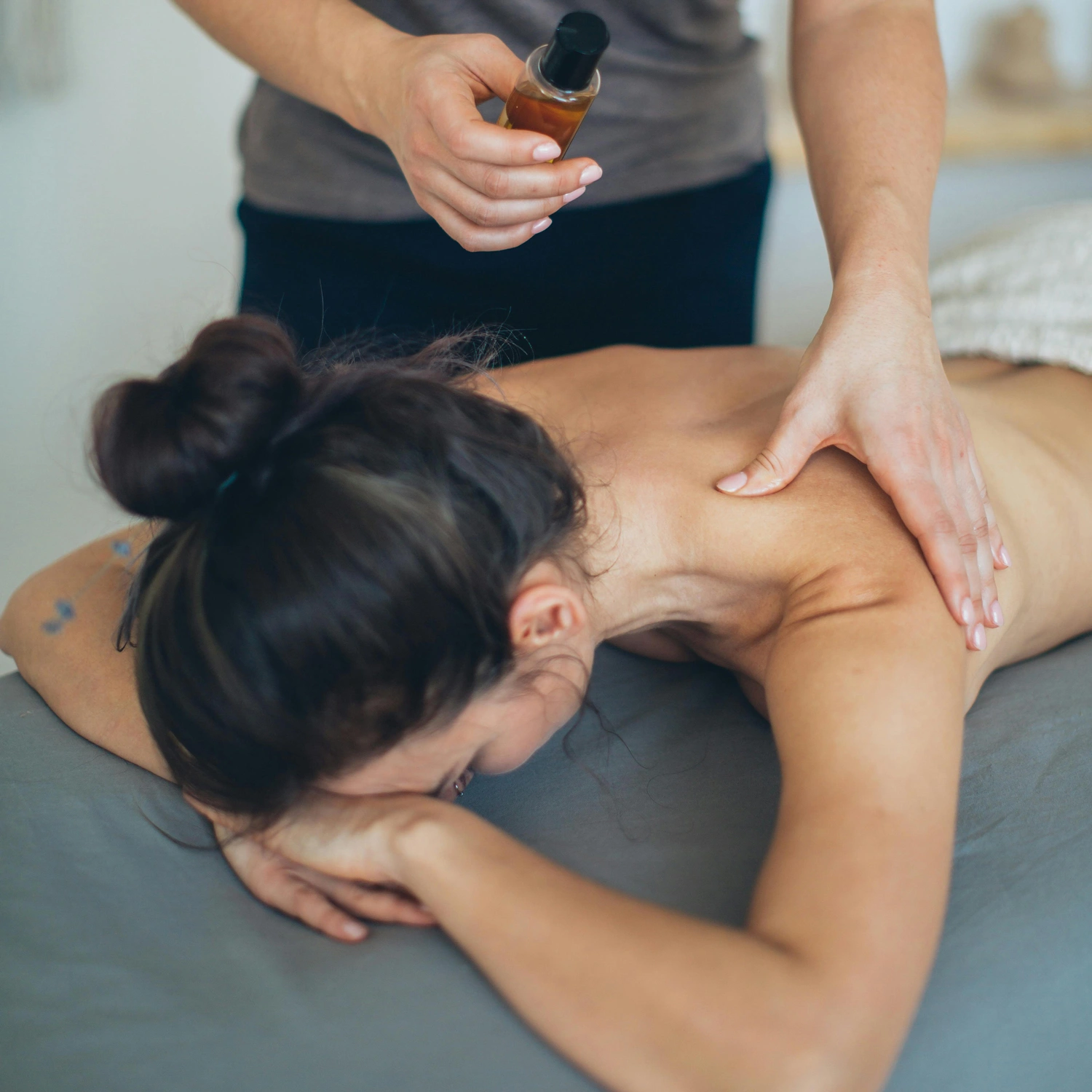
Myofascial release therapy is a hands‑on approach designed to ease pain and improve mobility by working on the network of tissue that surrounds your muscles and joints. Inside your body lies a web of connective tissue that wraps around your muscles, bones, nerves and organs. Our therapists find those tight spots and use gentle, sustained pressure to coax the tissue into relaxing. Juniper Registered Massage Therapy offers this specialized service in Richmond, helping you regain comfort, flexibility and a greater sense of well‑being.
Registered Buccal Massage Starts From $110

What are the Benefits of Myofascial Massage?
Ease Aches & Headaches
Gentle but focused pressure helps soften stubborn knots and trigger points. Many people notice that nagging headaches, jaw tension or chronic back and neck pain begin to ease after a few sessions.
Find Calm & Balance
Boost Circulation & Recovery
Improve Posture & Performance
What Are The Myofascial Massage Techniques?
Direct Myofascial Release
Clinician applies slow, sustained load to a palpable fascial restriction to induce tissue creep. Controlled pressure reorganizes collagen in the thoracolumbar fascia/IT band and restores slide-and-glide for pain-free motion.
Indirect Myofascial Release (Unwinding)
Registered massage therapist follows the path of least resistance while holding the tissue at ease. Gentle waiting allows viscoelastic recoil in the paraspinals, cervical fascia, and diaphragm to normalize tension lines and down-regulate nociception.
Cross-Hand Fascial Stretch
Therapist places hands in opposing vectors and gradually separates to lengthen longitudinal and transverse planes. Progressive stretch decompresses layered fascia around the scapular girdle and hip capsule, improving regional ROM and coordination.
Superficial Fascial Gliding (Skin Rolling)
Clinician lifts and rolls the skin to mobilize the superficial fascia over subcutaneous tissue. Light shear desensitizes cutaneous mechanoreceptors and improves glide across the quadriceps sleeve, forearm fascia, and lateral thigh.
Transverse Fascial Shear (Cross-Plane Release)
Therapist anchors the tissue and applies a slow lateral drag perpendicular to fiber orientation. Sustained shear breaks maladaptive cross-links, hydrates ground substance, and restores multidirectional movement in the plantar fascia, retinacula, and iliac crest attachments.
What is the Cost of Myofascial Massage Therapy?
30-minute
RMT session- Designed for addressing two primary areas of concern or for patients returning after more than a year since their last therapy session.
45-minute
RMT session- Ideal for patients focusing on a single primary area of concern, this treatment is also highly recommended for pediatric patients, ensuring targeted care tailored to their specific needs.
60-minute
RMT session- Recommended for initial visits, this treatment typically allows for focused care on one primary area of concern, with the opportunity to address a secondary area as well.
90-minute
RMT session- Designed for addressing two primary areas of concern or for patients returning after more than a year since their last therapy session.
How to Book a Myofascial Massage Session?
Week 01
Choose Your Myofascial Massage Therapist
Week 02
Select the type of Myofascial Massage
Week 03
Pick a Date and Time
Week 03
Provide Personal Information
Week 03
Prepare for the Appointment
Trusted by Thousands of Patients
N S
Jean is amazing! I am so thankful for her. She saves my neck, back, and shoulders on the regular. Came in with a migraine today and after seeing her, it’s gone. The needling helped so much with the tension and stiffness. Savior!!!
Carmen de Sousa
I just had a very relaxing perinatal massage treatment at Juniper from Dabin. She is knowledgeable, professional, and super friendly. She made me feel comfortable and relieved so much of the tension in all areas of my body from my pregnancy. I have booked 3 more back to back upcoming sessions and cant wait to return!
Barb Dawson
I’m truly astounded by what an amazing difference one massage with Jamie has made to my severe pain!! I’m able to walk without a limp as I no longer have to favour a side. I will definitely be seeing him on a regular basis in the future. Thank you!
Micheal Wong
Very cozy, friendly place. Kristina is great n very experienced, especially with migraine issues. Her treatment is so calm n soft but efficiency as well. It’s really relaxing n thanks for the treatment, I can have a good n quality sleeps the following nights without migraine occur.
Book Your Myofascial Massage Now
Everyone deserves to feel comfortable with their body.
Registered Massage Therapists in Richmond

Jameson Li
Registered Massage Therapist

Kathleen Abbott
Registered Massage Therapist

Sabrina Lee
Registered Massage Therapist

Dabin Li
Registered Massage Therapist

Amy Grifal
Registered Massage Therapist

Kristina Taylor
Registered Massage Therapist